Grinding Wheels for Hydraulic Machinery Applications

Industries We Serve

Grinding Wheels for Hydraulic Machinery Applications

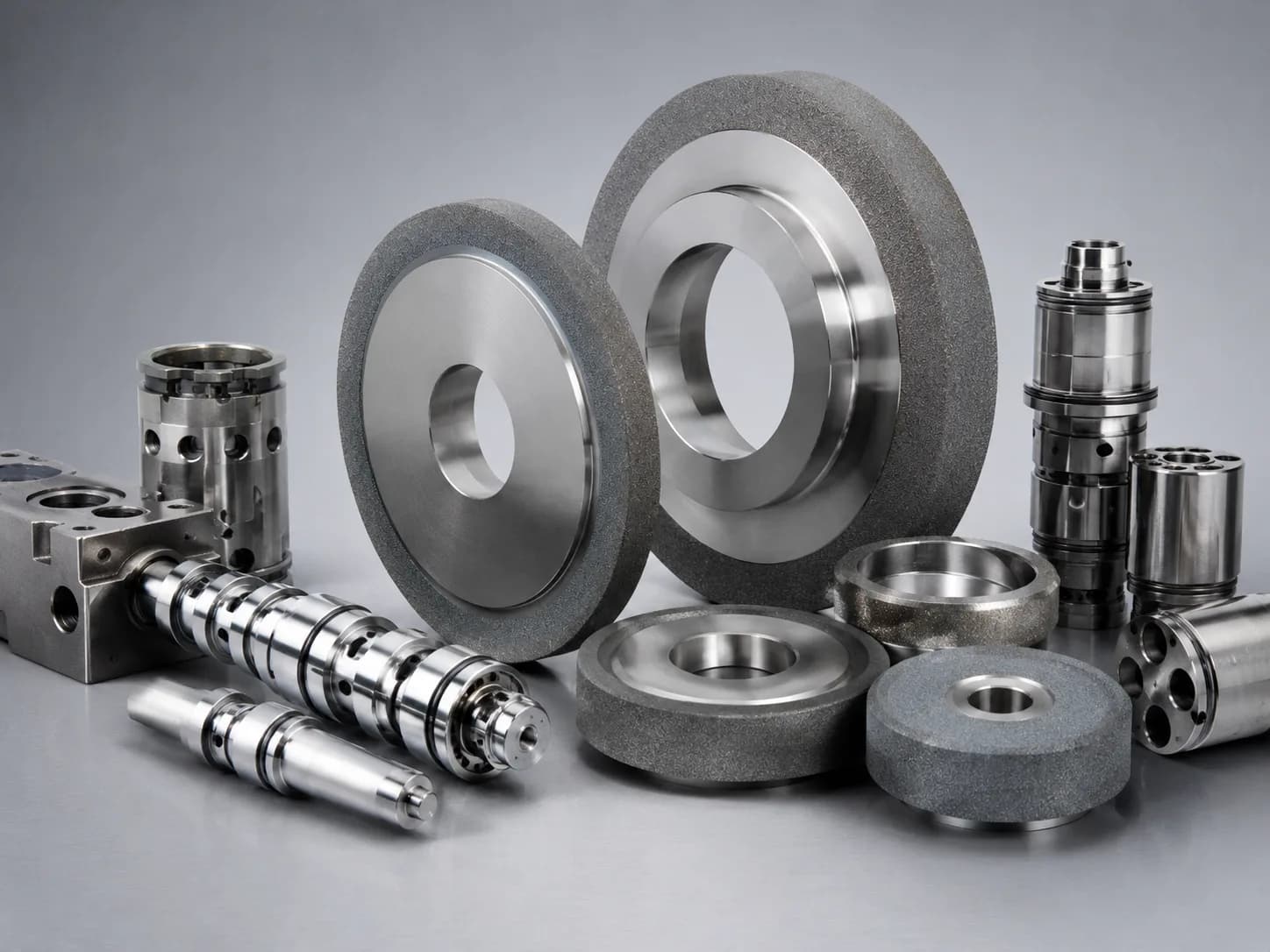
Hydraulic machinery — including construction equipment, agricultural machinery, industrial presses, aerospace flight control systems, and marine hydraulics — depends on precision-ground components to maintain system pressure, sealing integrity, and reliable operation under extreme conditions. Hydraulic rods, cylinders, pistons, valve spools, and pump components require specific surface finishes, tight dimensional tolerances, and consistent geometric accuracy. The grinding wheel is a critical factor in achieving these requirements. Our factory supplies CBN grinding wheels, diamond grinding wheels, and conventional abrasive wheels configured for hydraulic component grinding applications. We support hydraulic machinery manufacturers and their supply chains with grinding wheel solutions for rod grinding, cylinder bore grinding, valve spool grinding, piston grinding, and pump component grinding. We are a grinding wheel and abrasive tool manufacturer — we do not manufacture or supply hydraulic pumps, motors, valves, cylinders, seals, or any other hydraulic components or mechanical parts.

CBN and diamond grinding wheels for hardened hydraulic component materials
Cylindrical grinding of hydraulic rods, shafts, and cylinder bores
Form grinding of hydraulic valve spools, pistons, and sealing surfaces
Precision surface control for chrome-plated hydraulic rod grinding
Custom wheel specifications matched to hydraulic grinding machine parameters

Overview

About Grinding Wheels for Hydraulic Machinery Applications

Hydraulic systems operate at pressures typically ranging from 150 to 420 bar (and higher in specialized applications), demanding components manufactured to exacting standards. Hydraulic rods must have mirror-smooth surfaces (typically Ra 0.1–0.4 µm) for reliable seal performance and long service life. Hydraulic cylinders require consistent bore geometry and surface finish to prevent internal leakage and ensure smooth piston movement. Hydraulic valve spools and bodies need precise clearance fits — often in the 2–10 micron range — to control fluid flow accurately without internal leakage. The grinding wheel plays a central role in achieving these precision requirements. Our factory supplies grinding wheels configured for each hydraulic component grinding stage: rod grinding (including chrome-plated rods), cylinder bore internal grinding, valve spool cylindrical and form grinding, piston grinding, and pump component grinding. Each wheel specification is matched to the hydraulic component material, chrome plating details (if applicable), grinding machine, and surface finish target.

Applications

Common grinding applications

Grinding Wheels for Hydraulic Machinery Applications are selected for these industrial grinding applications.

Hydraulic Rod Grinding

Chrome-plated and hardened hydraulic rods require grinding wheels that cut cleanly through the chrome layer without causing chipping, spalling, or micro-cracking at the chrome-steel interface. CBN grinding wheels are the preferred choice for hydraulic rod grinding, delivering the surface finish (typically Ra 0.1–0.4 µm) required for reliable hydraulic seal performance and extended service life in demanding mobile and industrial hydraulic applications.

Hydraulic Cylinder Bore Grinding

Cylinder bore internal grinding demands wheels with excellent dimensional stability and consistent cutting action through the full bore length. CBN and diamond internal grinding wheels are supplied for hydraulic cylinder bore grinding, with specifications matched to bore diameter, cylinder length, tube material, and surface finish requirements.

Hydraulic Valve Spool and Body Grinding

Hydraulic directional control valves, proportional valves, and servo valves require precise clearance fits between spools and bodies — often in the 2–10 micron range. CBN grinding wheels provide the profile stability and thermal control needed for cylindrical grinding of hardened valve spools and internal grinding of valve bodies.

Hydraulic Piston Grinding

Axial piston pump pistons and hydraulic motor pistons require cylindrical grinding and spherical end grinding with tight geometric tolerances. CBN and diamond wheels are configured according to piston material, diameter, spherical radius, and surface finish specification.

Hydraulic Pump Component Grinding

Gear pump gears, vane pump vanes, and piston pump components each have specific grinding requirements. The grinding wheel must handle case-hardened or through-hardened steel surfaces while maintaining flatness, parallelism, or profile accuracy for efficient pump operation and long service life.

Hydraulic Sealing Surface Grinding

Sealing grooves, O-ring contact surfaces, and metal-to-metal sealing faces on hydraulic components require fine surface finishes free from grinding marks, chatter, or directional lay that could compromise seal integrity under high pressure. Fine-grit CBN and diamond wheels deliver the required surface quality.

Workpiece Materials

Suitable workpiece materials

Below are the most common workpiece materials matched with these grinding wheel applications.

Chrome-Plated Hydraulic Rod Steel — CK45, 42CrMo4, 20MnV6

Hydraulic rods are typically medium-carbon or alloy steel with a hard chrome plating layer (typically 20–100 µm thick, 800–1100 HV). CBN grinding wheels cut cleanly through the chrome layer and steel substrate, producing the fine surface finish needed for hydraulic seal performance without chrome chipping, spalling, or delamination.

Hardened Hydraulic Steel — 40Cr, 42CrMo, 20CrMnTi (HRC 50–62)

Quenched and tempered alloy steels used in hydraulic valve spools, pistons, and pump components. CBN wheels maintain cutting efficiency against hardened surfaces with reduced grinding burn risk and consistent dimensional control.

Induction-Hardened Cylinder Tube

Hydraulic cylinder tubes with induction-hardened inner surfaces require internal grinding wheels that handle the hardened layer consistently. CBN internal grinding wheels provide the dimensional control and surface finish needed for hydraulic cylinder bore specifications.

Nitrided and Carburized Hydraulic Steel

Surface-treated hydraulic components with hard nitrided or carburized cases (typically 0.1–0.5 mm depth) benefit from CBN wheel grinding. The superabrasive grain handles the hard surface layer without excessive wheel wear while preserving the heat-treated case integrity.

Hardened Alloy and Bearing Steel for Pump Components

Hydraulic pump components — particularly in piston pumps — may use bearing steels (GCr15, 100Cr6) or high-alloy tool steels for wear resistance. CBN wheels are well-suited for grinding these hardened materials in pump component applications.

Advantages

Why choose grinding wheels for hydraulic machinery applications

Key benefits and performance characteristics for industrial grinding applications.

Chrome-Layer Grinding Performance

CBN grinding wheels cut cleanly through the hard chrome plating on hydraulic rods without causing the chipping, spalling, or delamination that can occur with inappropriate abrasive types. The result is a smooth, defect-free surface ready for hydraulic seal operation under high pressure.

Precision Surface Finish for Sealing Performance

Hydraulic components require specific surface finishes for reliable sealing — typically Ra 0.1–0.4 µm for rod sealing surfaces and Ra 0.2–0.8 µm for other hydraulic contact surfaces. CBN and diamond wheels consistently deliver these finish requirements in production grinding environments.

Tight Clearance Control for Hydraulic Valves

Hydraulic valve spools and bodies require clearance fits measured in microns. CBN grinding wheels maintain dimensional stability and profile accuracy through production runs, supporting the tight tolerances needed for precise hydraulic flow control without internal leakage.

Thermal Management for Hardened Hydraulic Steels

CBN's high thermal conductivity helps manage grinding zone temperatures when grinding hardened hydraulic steels. This reduces the risk of grinding burn, residual tensile stress, and surface integrity issues that could lead to premature hydraulic component failure in service.

Form Grinding for Complex Hydraulic Profiles

Hydraulic valve spools with complex land profiles, sealing geometries, and metering notches benefit from formed CBN wheels that maintain profile accuracy across production volumes. Diamond profile wheels are available for hydraulic components with ultra-precise form requirements.

Adapted to Hydraulic Grinding Machines and Coolants

Hydraulic component grinding often uses specific coolant formulations — including fire-resistant hydraulic fluids in some applications — that may affect wheel bond compatibility. We configure wheel specifications accounting for the specific coolant type and grinding machine parameters in hydraulic manufacturing environments.

Selection Guide

How to select grinding wheels for hydraulic machinery applications

Use these practical tips to narrow down the right wheel specification for your grinding application.

1

Identify the hydraulic component type and material first — chrome-plated rods, hardened valve spools, induction-hardened cylinder tubes, and pump components each have different grinding wheel requirements. The wheel specification depends on the specific hydraulic part and material condition.

2

Match abrasive to material — CBN grinding wheels are the primary choice for hardened hydraulic steels (≥ HRC 50) and chrome-plated rods. Diamond grinding wheels are suitable when the hydraulic component contains carbide, ceramic, or cermet elements. Conventional aluminum oxide wheels are appropriate for softer hydraulic steels where superabrasive cost is not justified.

3

Select bond type by grinding operation — vitrified bond CBN wheels for cylindrical rod and cylinder bore grinding where free cutting and easy dressing are valued. Resin bond for finishing operations requiring improved surface finish and reduced chatter. Metal bond for form grinding where maximum profile retention is required.

4

Specify grit size by surface finish target — fine grits (120–240) for hydraulic rod sealing surfaces requiring Ra 0.1–0.4 µm. Medium grits (80–120) for semi-finish grinding of valve components and cylinders. Coarse grits (60–80) for rough grinding and stock removal.

5

Provide the grinding machine model and coolant type — hydraulic component grinding often uses specific coolant types. Wheel bond selection must consider coolant compatibility. Machine spindle speed and power determine safe wheel dimensions and appropriate specifications.

6

For chrome-plated rod grinding, specify the chrome layer thickness, hardness, and any previous grinding issues. For valve spool form grinding, provide the spool profile drawing. For cylinder bore grinding, provide bore diameter, length, material, and surface finish target.

Before You Inquire

Information needed for quotation

Providing the details below helps us recommend the right wheel specification and prepare an accurate factory quotation faster.

Hydraulic component type and material — e.g., chrome-plated rod CK45, hardened valve spool 40Cr HRC 58, induction-hardened cylinder tube
Chrome plating details if applicable — layer thickness and hardness (HV)
Grinding operation — cylindrical, internal, centerless, form, or surface grinding
Wheel dimensions — outer diameter, inner diameter/bore, and thickness
Grinding machine model, spindle speed, and coolant type
Target surface finish (Ra) and dimensional tolerance
Current grinding problem or improvement goal — burning, chipping, short wheel life, poor finish
Estimated monthly or annual quantity; drawing or photo of the hydraulic component or current wheel, if available

Send these details through the inquiry form, or contact us on WhatsApp for a preliminary recommendation.

Send Grinding Details

Industries

Industries served

Grinding Wheels for Hydraulic Machinery Applications are used across these manufacturing sectors. We provide grinding wheel solutions for industrial grinding applications. We do not supply the customer workpieces themselves, such as bearings, hydraulic components, molds, or mechanical parts.

Mobile hydraulic machinery — construction equipment, agricultural machinery, and material handling hydraulic systems
Industrial hydraulic machinery — machine tool hydraulics, press hydraulics, and factory automation hydraulic systems
Aerospace hydraulic systems — flight control actuators, landing gear, and high-reliability hydraulic components
Marine and offshore hydraulic systems — deck machinery, steering systems, and offshore equipment hydraulics
Hydraulic pump and motor manufacturing — axial piston, radial piston, gear, and vane pump component production
Hydraulic valve manufacturing — directional control, pressure control, flow control, and servo valve production

FAQ

Common questions about grinding wheels for hydraulic machinery applications

Quick answers to common buyer questions before sending an inquiry.

Which grinding wheel is best for hydraulic rod grinding?

For chrome-plated hydraulic rod grinding, CBN grinding wheels are generally the preferred choice. CBN cuts cleanly through the chrome layer without causing chipping or spalling at the chrome-steel interface, and delivers the fine surface finish (Ra 0.1–0.4 µm) required for hydraulic seal performance. The specific CBN specification — bond type, grit size, concentration, and hardness — is configured according to the rod material, chrome thickness and hardness, rod diameter, machine type, coolant, and production volume.

Can you supply wheels for hydraulic valve spool grinding?

Yes. We supply CBN grinding wheels for hydraulic valve spool cylindrical grinding and form grinding. The tight clearance requirements of hydraulic valves (typically 2–10 microns between spool and body) demand wheels with excellent dimensional stability and profile accuracy. We configure the wheel specification according to the spool material, diameter, land profile geometry, machine, and tolerance target.

Do you manufacture or supply hydraulic components?

No. We are a grinding wheel and abrasive tool manufacturer only. We supply grinding wheels used in hydraulic component manufacturing processes. We do not manufacture, supply, or sell hydraulic pumps, motors, valves, cylinders, rods, pistons, seals, or any other hydraulic parts or mechanical components. The hydraulic machinery references on our website are application industry references only.

What is the difference between CBN and diamond wheels for hydraulic applications?

For hydraulic components, CBN grinding wheels are used for hardened ferrous materials — chrome-plated rods, hardened steel valve spools, alloy steel pistons, and cylinder bores. Diamond grinding wheels are used only when the hydraulic component contains non-ferrous hard materials such as carbide, ceramic, or cermet elements. Using diamond on steel hydraulic parts causes rapid wheel wear due to the chemical reaction between diamond (carbon) and iron at grinding temperatures. Most hydraulic component grinding applications use CBN or conventional aluminum oxide wheels.

Why does chrome-plated rod grinding require special wheel consideration?

Chrome-plated hydraulic rods present a unique grinding challenge because the chrome layer (typically 800–1100 HV, 20–100 µm thick) is significantly harder and more brittle than the steel substrate beneath it. An inappropriate grinding wheel can cause chrome chipping, spalling, or delamination at the chrome-steel interface — defects that compromise hydraulic seal performance. CBN grinding wheels with appropriate bond type and grit size cut cleanly through the chrome layer and steel substrate, producing the uniform, defect-free surface that hydraulic seals require.

What information do you need to recommend a hydraulic grinding wheel?

To recommend the right grinding wheel for a hydraulic component, we typically need: hydraulic component type and material, chrome plating details if applicable (thickness, hardness), grinding operation type, wheel dimensions, machine model and spindle speed, coolant type, target surface finish (Ra), current grinding problem if any, and production volume. A drawing or photo of the hydraulic component and current wheel helps us respond with a more precise recommendation.
WhatsApp Inquiry