Aluminum Oxide Grinding Wheels

Grinding Wheel Products

Aluminum Oxide Grinding Wheels

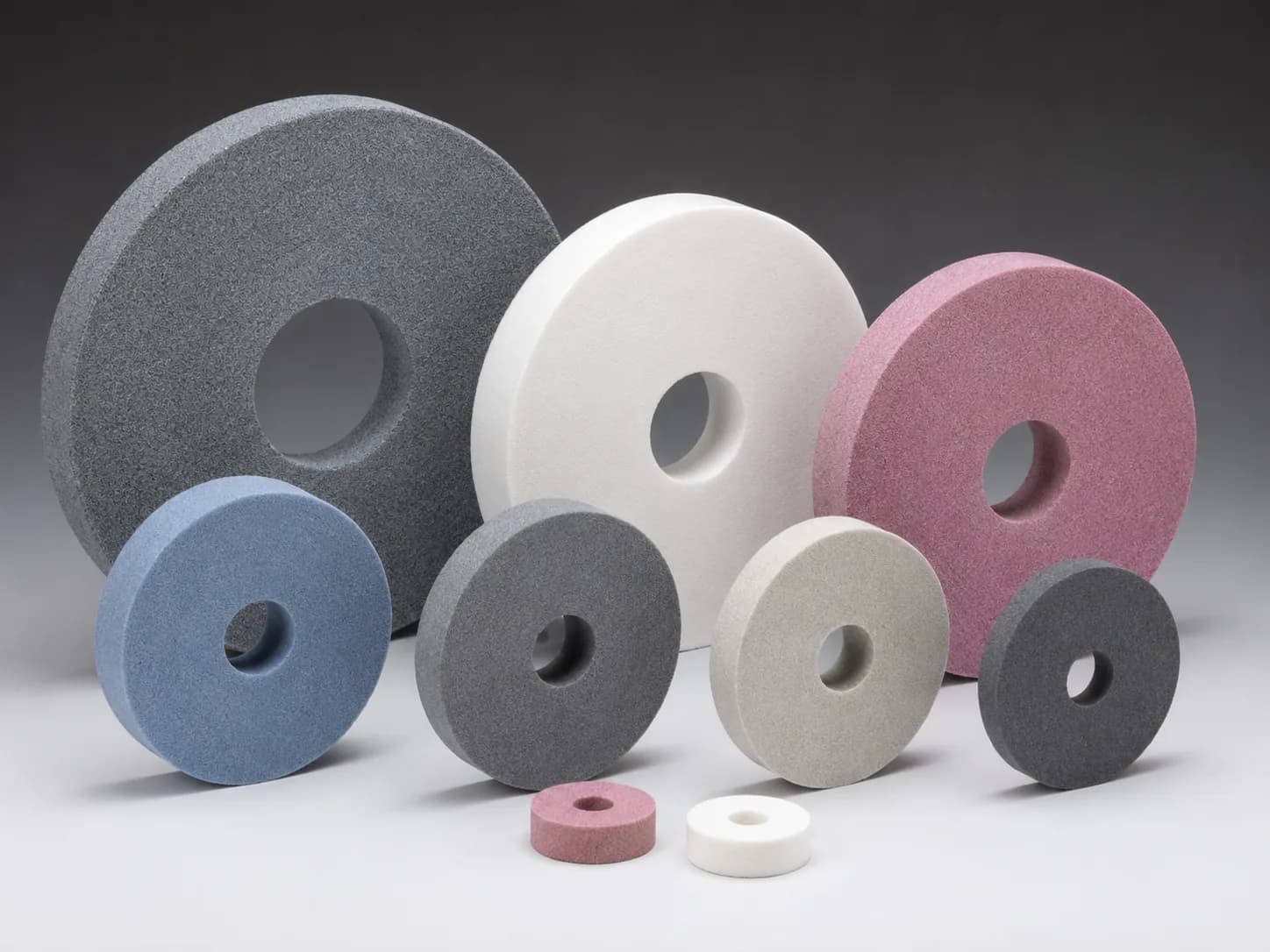
Aluminum oxide grinding wheels are the most widely used conventional abrasive wheels in industrial grinding. They offer a practical balance of cutting performance, wheel life, and cost-effectiveness for grinding carbon steel, alloy steel, hardened steel, mold steel, and cast iron. Available in brown aluminum oxide (A), white aluminum oxide (WA), and pink/chromium aluminum oxide (PA) grades, these wheels cover a broad range of general metal grinding, precision grinding, and workshop production applications.

Most widely used conventional abrasive for general metal grinding
Three main abrasive grades — brown (A), white (WA), pink/chrome (PA)
Cost-effective for carbon steel, alloy steel, cast iron, and mold steel
Available in vitrified and resin bond options
Suitable for surface, cylindrical, and general precision grinding
Custom sizes, grit specifications, and hardness grades available

Overview

About Aluminum Oxide Grinding Wheels

Aluminum oxide abrasive is manufactured by fusing high-purity alumina in electric arc furnaces, producing a tough, hard abrasive grain suitable for grinding ferrous materials. Brown aluminum oxide (A) is the general-purpose grade with good toughness for carbon steel and general metal grinding. White aluminum oxide (WA) is a purer, more friable grade that cuts cooler and sharper, making it suitable for hardened steel, tool steel, and precision grinding. Pink/chromium aluminum oxide (PA) combines the sharp cutting of white fused alumina with improved toughness from chromium oxide addition, making it a good intermediate choice for mold steel and precision work. Our factory produces aluminum oxide wheels in vitrified and resin bonds across a wide range of sizes, grits, and hardness grades.

Applications

Common grinding applications

Aluminum Oxide Grinding Wheels are selected for these industrial grinding applications.

Surface Grinding

Aluminum oxide wheels are the standard choice for surface grinding of steel plates, machine beds, mold plates, and general metal parts. Vitrified bond wheels provide free cutting and good profile stability for flat surface grinding operations.

Cylindrical Grinding

For external and internal cylindrical grinding of shafts, pins, sleeves, and cylindrical components made from carbon steel, alloy steel, and hardened steel, aluminum oxide wheels deliver consistent material removal and surface finish.

Mold & Die Steel Grinding

White aluminum oxide (WA) and pink aluminum oxide (PA) wheels are commonly used for mold and die grinding applications where cooler cutting and reduced risk of grinding burn are important for heat-sensitive mold steels.

General Workshop Grinding

Brown aluminum oxide wheels are the economical choice for general workshop grinding, maintenance, repair, and low-to-medium volume production where CBN or diamond wheels would not be cost-justified.

Cast Iron Grinding

Aluminum oxide wheels can be used for cast iron components where silicon carbide is not required. Suitable for cylinder blocks, machine bases, and general cast iron parts in maintenance and production environments.

Precision Component Grinding

White aluminum oxide and pink aluminum oxide wheels are selected for precision grinding of hardened steel components, measuring tools, and parts requiring tight dimensional tolerance and good surface finish.

Workpiece Materials

Suitable workpiece materials

Below are the most common workpiece materials matched with these grinding wheel applications.

Carbon Steel and Ordinary Steel

Brown aluminum oxide wheels are the most cost-effective choice for general-purpose grinding of carbon steel, mild steel, and low-alloy steel workpieces in workshop and production environments.

Hardened Steel (HRC 40–60)

White aluminum oxide (WA) wheels cut hardened steel cleanly with moderate wheel wear. For high-volume hardened steel production above HRC 55, CBN wheels may offer better total cost per part.

Alloy Steel (40Cr, 42CrMo, 20CrMnTi)

Aluminum oxide wheels handle common alloy steels used in automotive, machinery, and general engineering components. Vitrified bond wheels provide good material removal and surface finish on these materials.

Mold Steel (P20, 718, S136)

White and pink aluminum oxide wheels are appropriate for mold steel grinding, particularly for pre-hardened mold steels where cooler cutting helps maintain dimensional stability and surface quality.

Cast Iron

Aluminum oxide wheels can grind cast iron components effectively. For high-volume cast iron production or applications requiring reduced wheel loading, silicon carbide wheels may also be considered.

Advantages

Why choose aluminum oxide grinding wheels

Key benefits and performance characteristics for industrial grinding applications.

Broad Material Compatibility

Aluminum oxide wheels grind a wide range of ferrous materials including carbon steel, alloy steel, hardened steel, mold steel, and cast iron, making them the most versatile conventional abrasive wheel type.

Cost-Effective

Compared to CBN and diamond superabrasive wheels, aluminum oxide wheels have a significantly lower initial purchase cost while delivering acceptable performance for general grinding applications.

Three Abrasive Grades Available

Brown aluminum oxide (A) for general use, white aluminum oxide (WA) for cooler cutting on hardened steel, and pink/chromium aluminum oxide (PA) as a balanced intermediate grade — allowing selection based on the workpiece and finish target.

Good Toughness and Durability

Brown aluminum oxide abrasive grains are tough and resistant to fracturing under moderate grinding forces, providing consistent material removal and acceptable wheel life in general workshop applications.

Vitrified and Resin Bond Options

Vitrified bond wheels offer free cutting, good profile stability, and easy dressing. Resin bond wheels provide smoother cutting action with reduced chipping, making them suitable for finishing operations.

Wide Availability and Proven Technology

Aluminum oxide is the most mature and widely understood abrasive technology. Wheel specifications, dressing practices, and operating parameters are well-documented for predictable grinding results.

Selection Guide

How to select aluminum oxide grinding wheels

Use these practical tips to narrow down the right wheel specification for your grinding application.

1

Select the abrasive grade first — brown aluminum oxide (A) for general steel and cost-sensitive applications, white aluminum oxide (WA) for hardened steel and precision work requiring cooler cutting, pink aluminum oxide (PA) for mold steel and applications needing balanced toughness and sharpness.

2

Match bond type to the operation — vitrified bond for most surface and cylindrical grinding where free cutting and easy dressing are valued, resin bond for finishing operations and applications where reduced chipping or improved surface finish is required.

3

Choose grit size according to finish requirements — coarse grits (24–60) for rough grinding and heavy stock removal, medium grits (60–100) for general-purpose grinding, fine grits (100–240) for finish grinding and precision surfaces.

4

Select wheel hardness grade carefully — softer grades (H–K) for hard materials and large contact areas, harder grades (L–P) for soft materials and small contact areas. Incorrect hardness selection is a common cause of grinding problems.

5

Confirm wheel dimensions (OD × ID × thickness) and verify compatibility with machine spindle speed, wheel guard, and mounting flange specifications.

6

For precision grinding applications with high production volumes grinding hardened steel above HRC 55, compare aluminum oxide wheel total cost with CBN wheel economics — the higher initial CBN wheel cost may be offset by longer wheel life and reduced downtime.

Before You Inquire

Information needed for quotation

Providing the details below helps us recommend the right wheel specification and prepare an accurate factory quotation faster.

Workpiece material and hardness (e.g., 45# carbon steel, 40Cr alloy steel, P20 mold steel)
Grinding process (surface, cylindrical, internal, or centerless grinding)
Wheel dimensions — outer diameter, inner diameter/bore, and thickness
Machine model, spindle speed, and power
Target surface finish (Ra) and dimensional tolerance
Current grinding problem or improvement goal
Estimated monthly or annual quantity
Drawing or photo of the part or current wheel, if available

Send these details through the inquiry form, or contact us on WhatsApp for a preliminary recommendation.

Send Grinding Details

Industries

Industries served

Aluminum Oxide Grinding Wheels are used across these manufacturing sectors. We provide grinding wheel solutions for industrial grinding applications. We do not supply the customer workpieces themselves, such as bearings, hydraulic components, molds, or mechanical parts.

General machinery manufacturing — shaft, plate, and component grinding
Mold and die manufacturing — mold plate, cavity, and core grinding
Automotive component production — general steel part grinding
Metal fabrication and workshop — maintenance and repair grinding
Precision engineering — hardened steel component finishing
Industrial equipment manufacturing — general-purpose metal grinding

FAQ

Common questions about aluminum oxide grinding wheels

Quick answers to common buyer questions before sending an inquiry.

What is the difference between brown, white, and pink aluminum oxide wheels?

Brown aluminum oxide (A) contains approximately 95% Al₂O₃ with titanium oxide for toughness — it is the general-purpose grade for carbon steel and ordinary grinding. White aluminum oxide (WA) is over 99% pure Al₂O₃, making it more friable and sharper-cutting — it is preferred for hardened steel, tool steel, and precision grinding where cooler cutting is important. Pink/chromium aluminum oxide (PA) adds a small amount of chromium oxide to white fused alumina, providing a balance of sharpness and toughness suitable for mold steel and precision applications.

Are aluminum oxide wheels suitable for hardened steel?

Yes, white aluminum oxide (WA) and pink aluminum oxide (PA) wheels are suitable for grinding hardened steel up to approximately HRC 60. However, they will wear faster than CBN wheels when grinding hardened steel, requiring more frequent dressing. For high-volume production grinding of hardened steel above HRC 55, CBN grinding wheels typically offer lower total cost per part despite higher initial wheel cost.

Can aluminum oxide wheels grind cast iron?

Yes, aluminum oxide wheels can grind cast iron. However, silicon carbide wheels are often preferred for cast iron because they resist loading and glazing better against the graphite in cast iron. For low-to-medium volume cast iron grinding, aluminum oxide wheels are a practical and economical choice. For high-volume or heavy cast iron grinding, silicon carbide wheels should be considered.

What is the difference between aluminum oxide and silicon carbide grinding wheels?

Aluminum oxide wheels are designed primarily for ferrous materials — carbon steel, alloy steel, hardened steel, and mold steel. They are tougher and more durable when grinding steel. Silicon carbide wheels are sharper and harder but more brittle — they are better suited for cast iron, non-ferrous metals (aluminum, copper, brass), non-metal materials, carbide, and tungsten steel. Using silicon carbide on steel causes rapid abrasive wear. Using aluminum oxide on carbide or ceramics results in inefficient grinding.

Can aluminum oxide grinding wheels be customized?

Yes. We produce aluminum oxide wheels to customer specifications including abrasive grade (A, WA, or PA), grit size, hardness grade, bond type (vitrified or resin), wheel dimensions, and profile shape. Send your drawing, workpiece details, and machine parameters, and we will recommend the appropriate wheel specification.
WhatsApp Inquiry