Carbide Grinding and Form Grinding
Cemented carbide and tungsten carbide are ground with diamond abrasive, and brazed tools suit the operations where the form is established by the tool rather than by a dressed bonded wheel.
Grinding Wheel Products
Brazed diamond grinding wheels carry a single layer of diamond held in a brazed metal coating. Because the diamond sits exposed at the surface rather than buried in a bond, the tool cuts freely and holds an open, aggressive face — which is what makes brazed diamond a good fit for hard, brittle non-ferrous materials and for forms that would be difficult to dress into a bonded wheel.
Product Gallery
Shapes and profiles
Brazed diamond tools in a range of wheel, disc, cup and profile forms. Each shape is made to the geometry the operation needs.
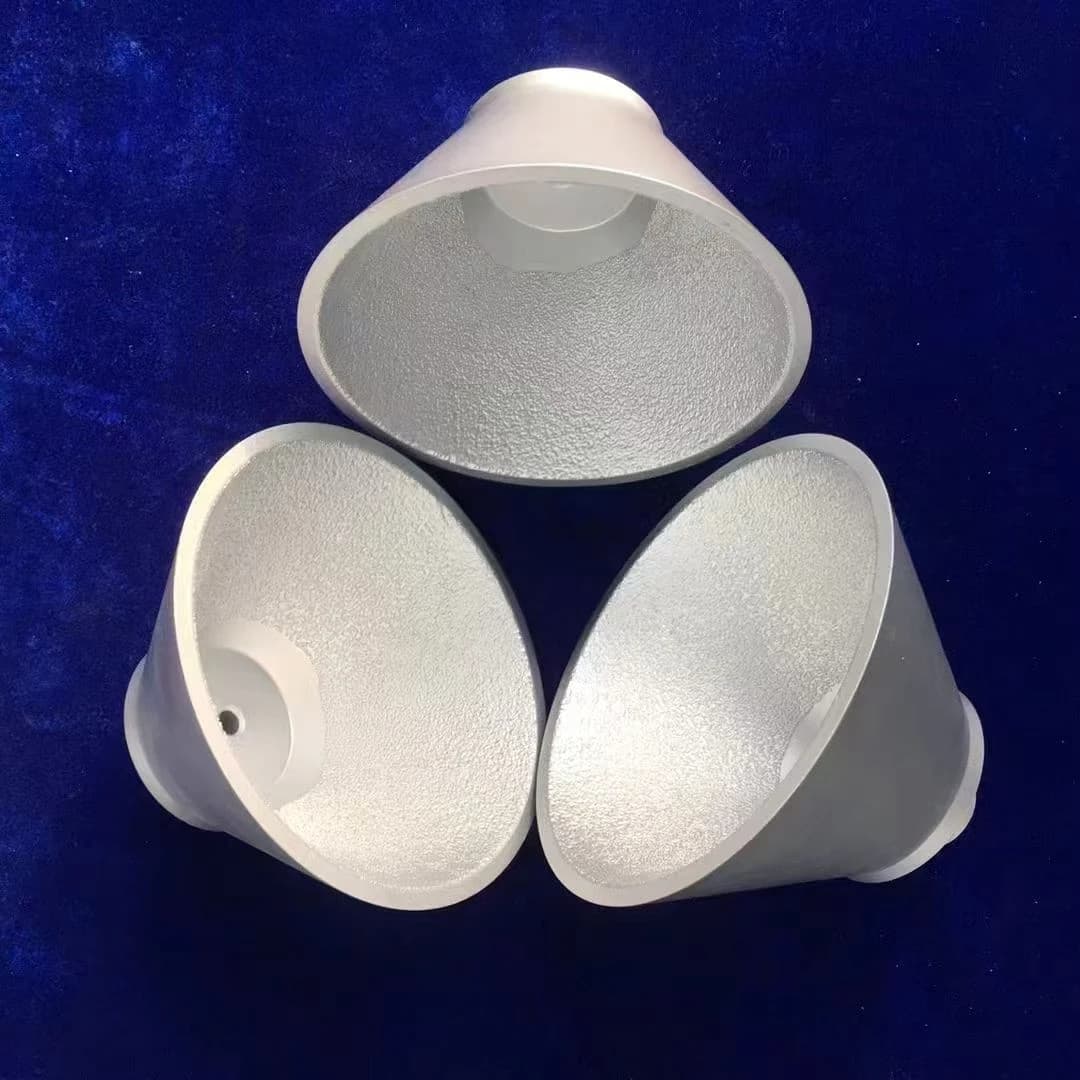
Customizable
View Details →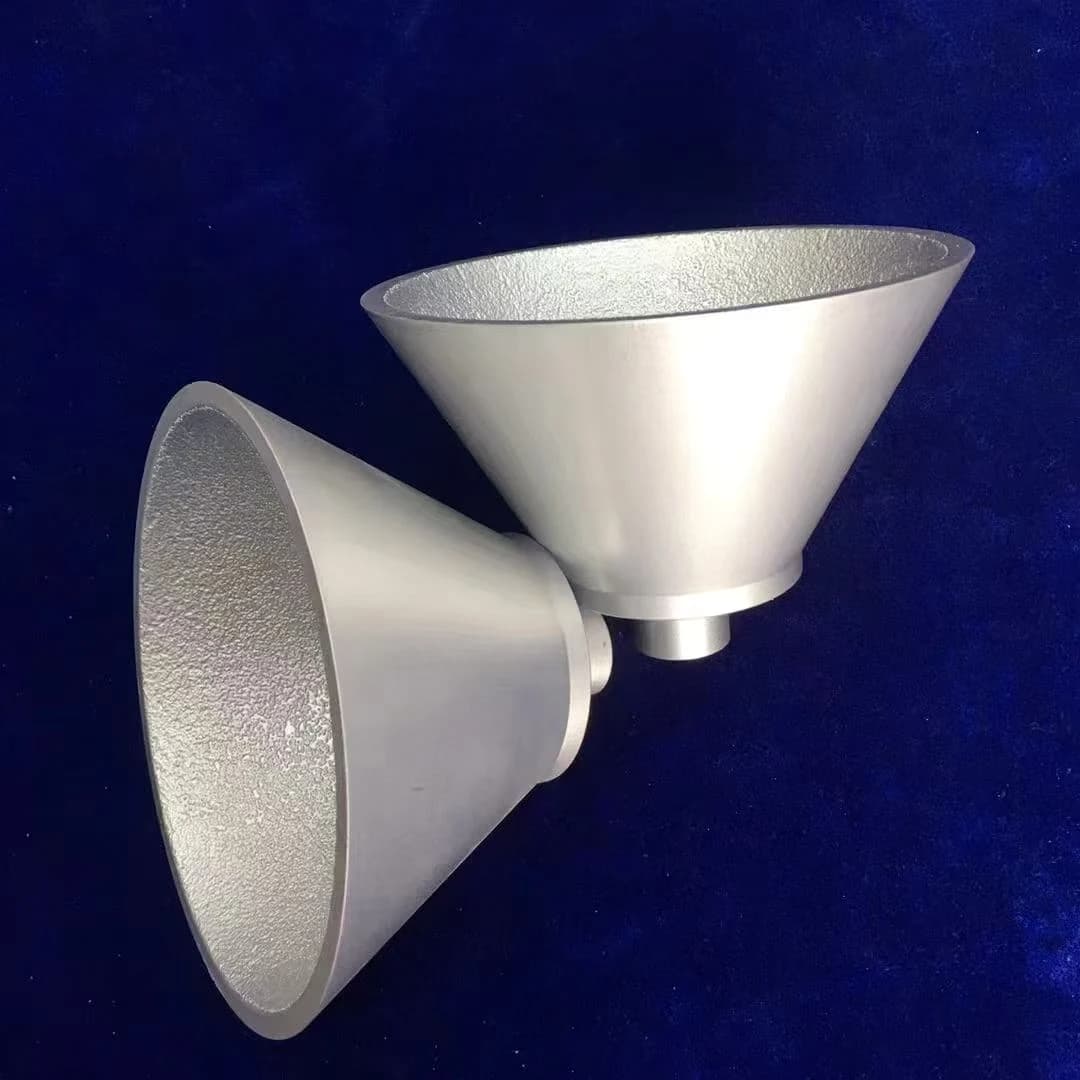
Customizable
View Details →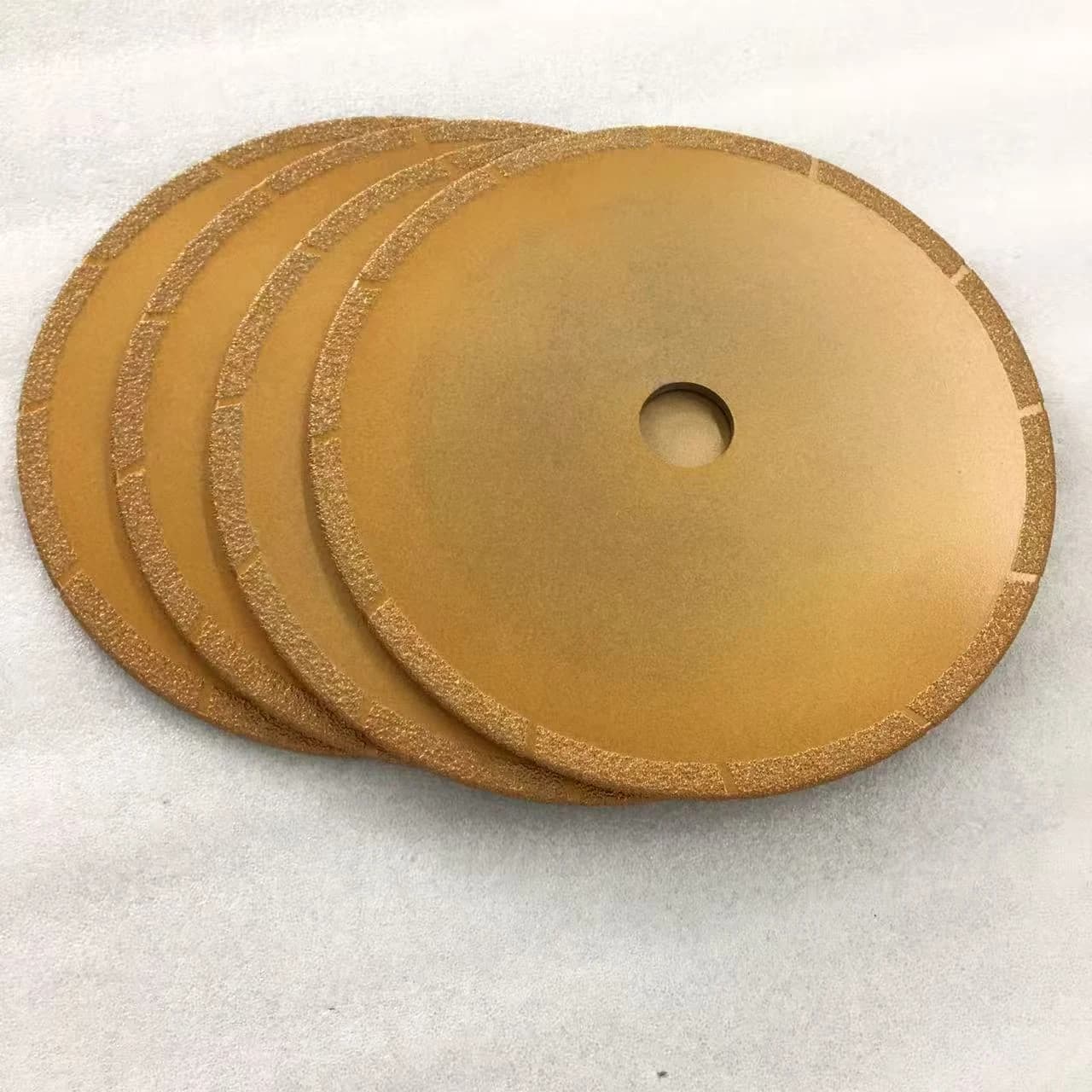
Customizable
View Details →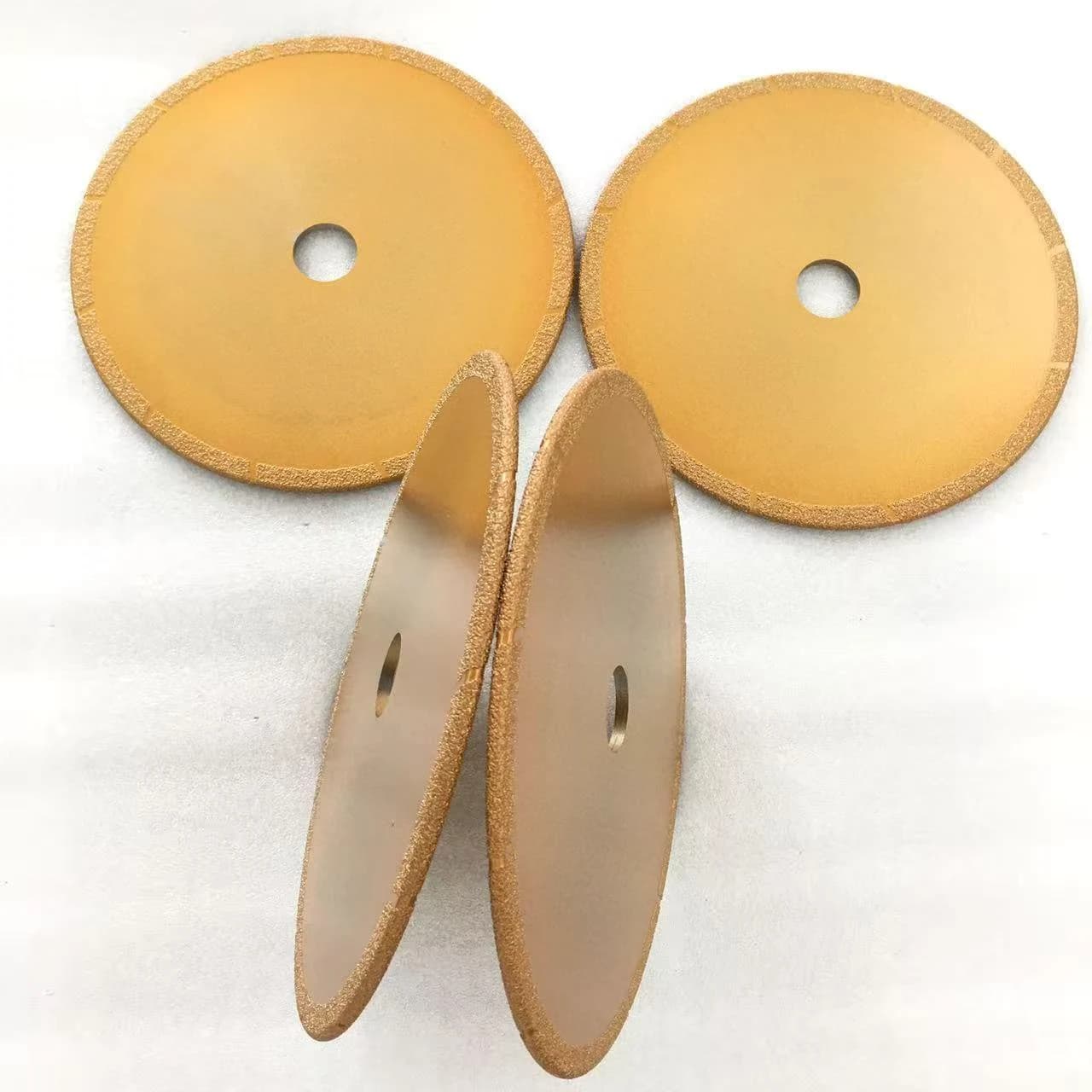
Customizable
View Details →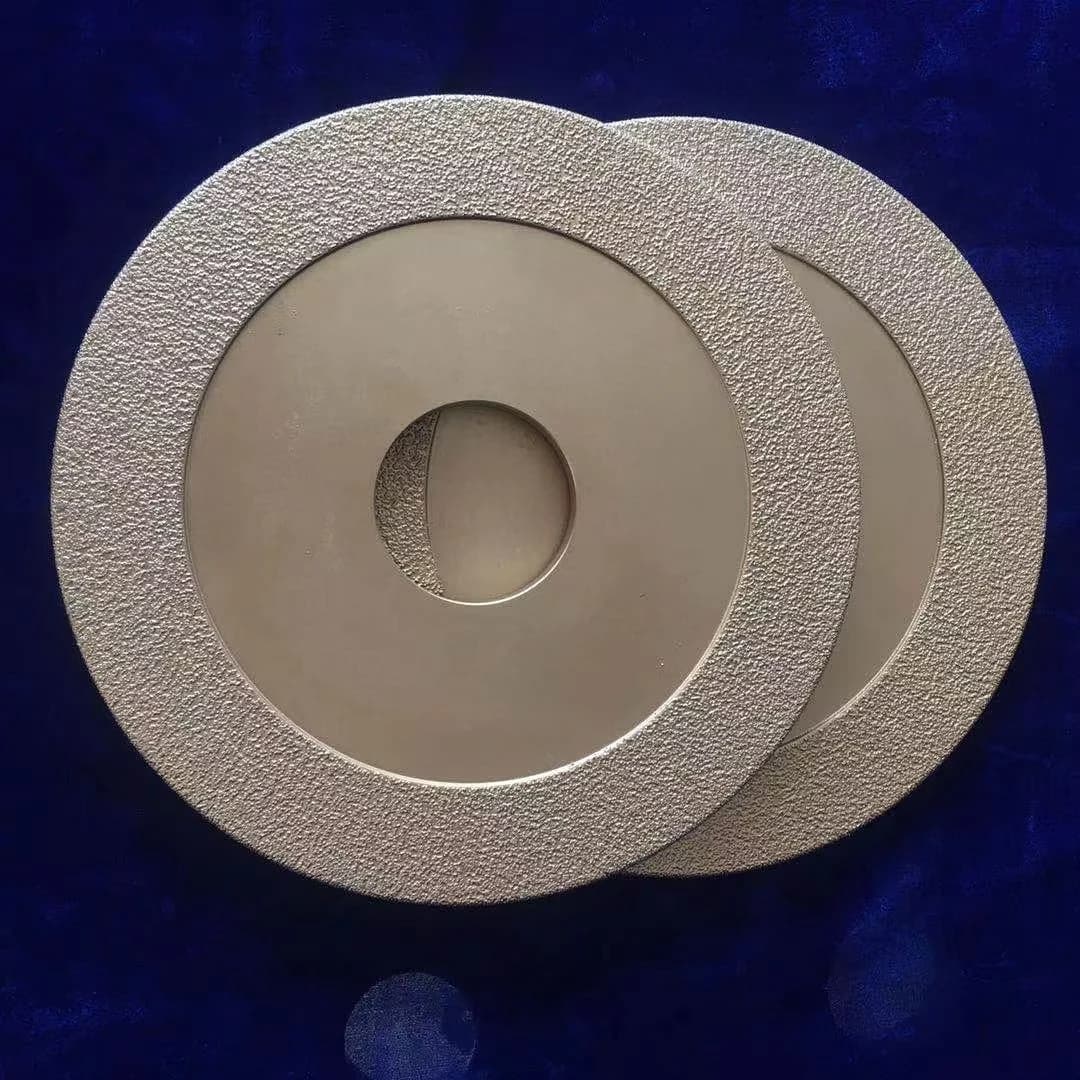
Customizable
View Details →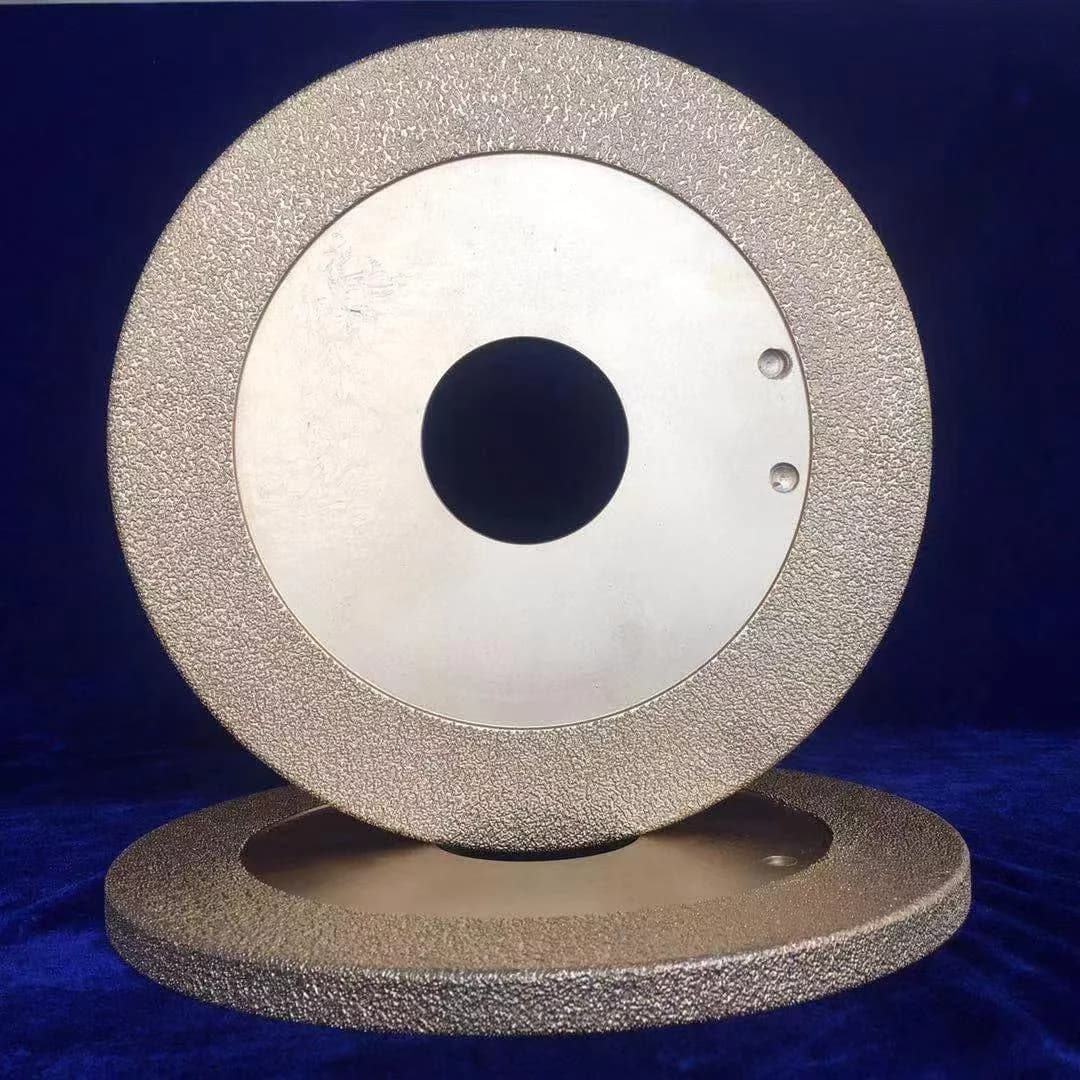
Customizable
View Details →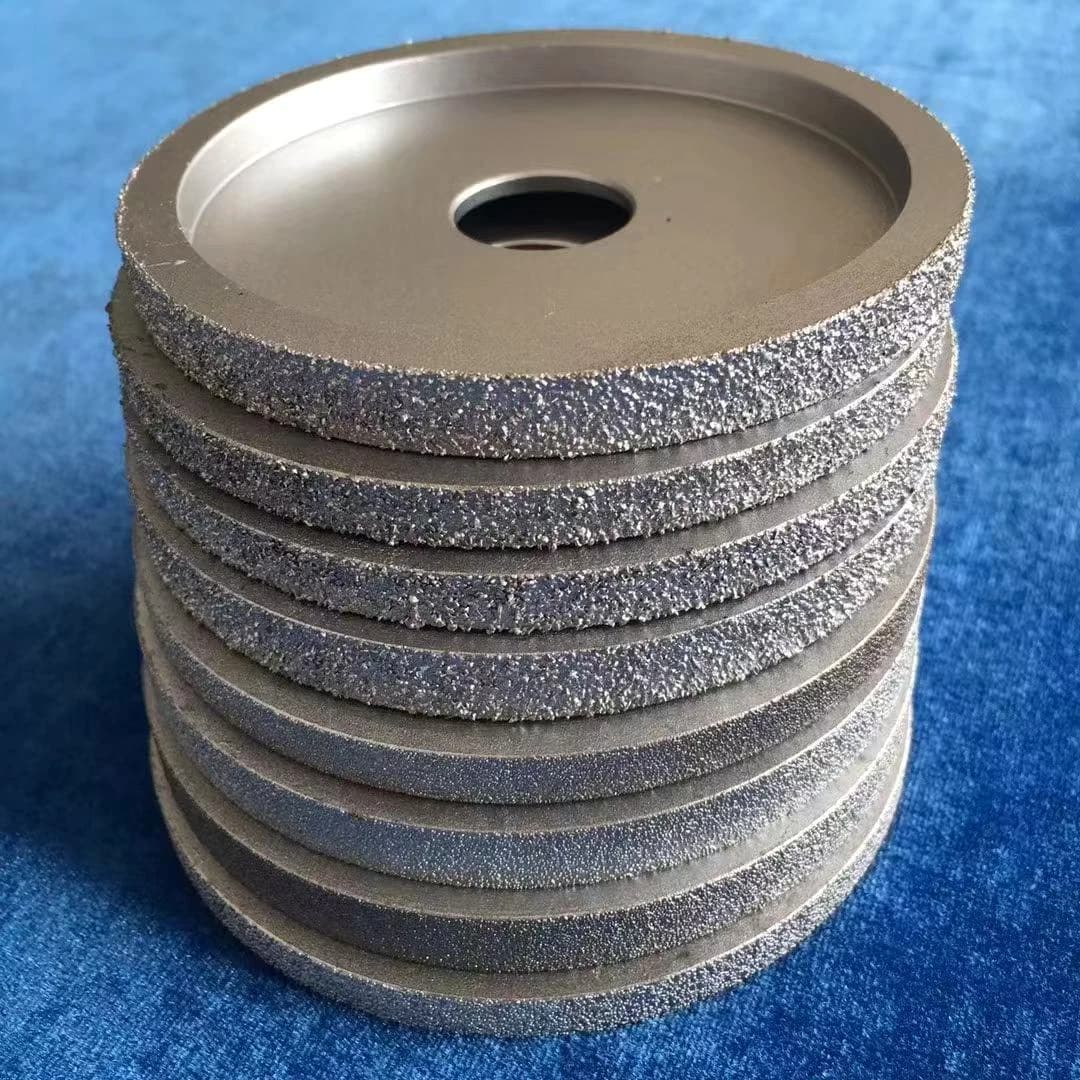
Customizable
View Details →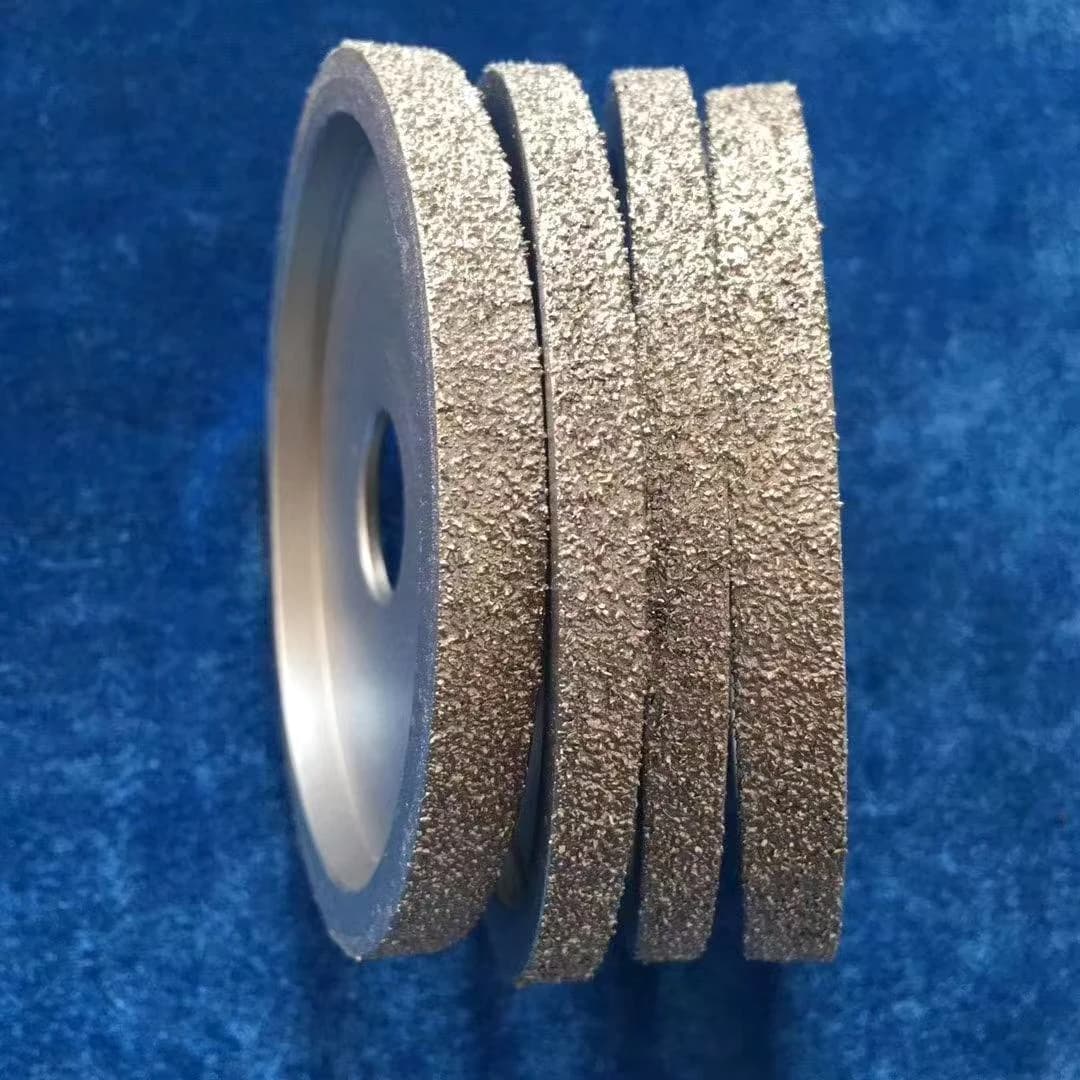
Customizable
View Details →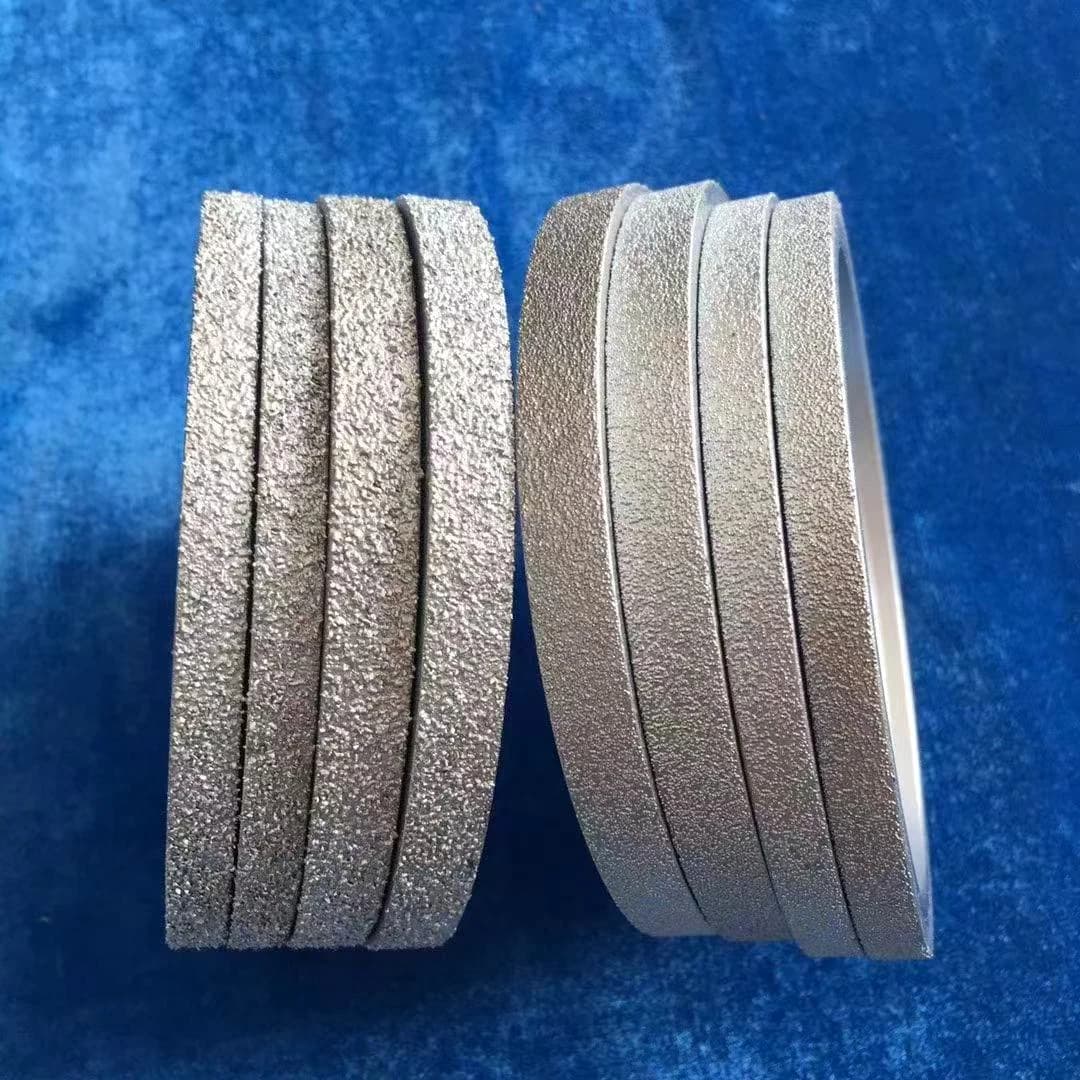
Customizable
View Details →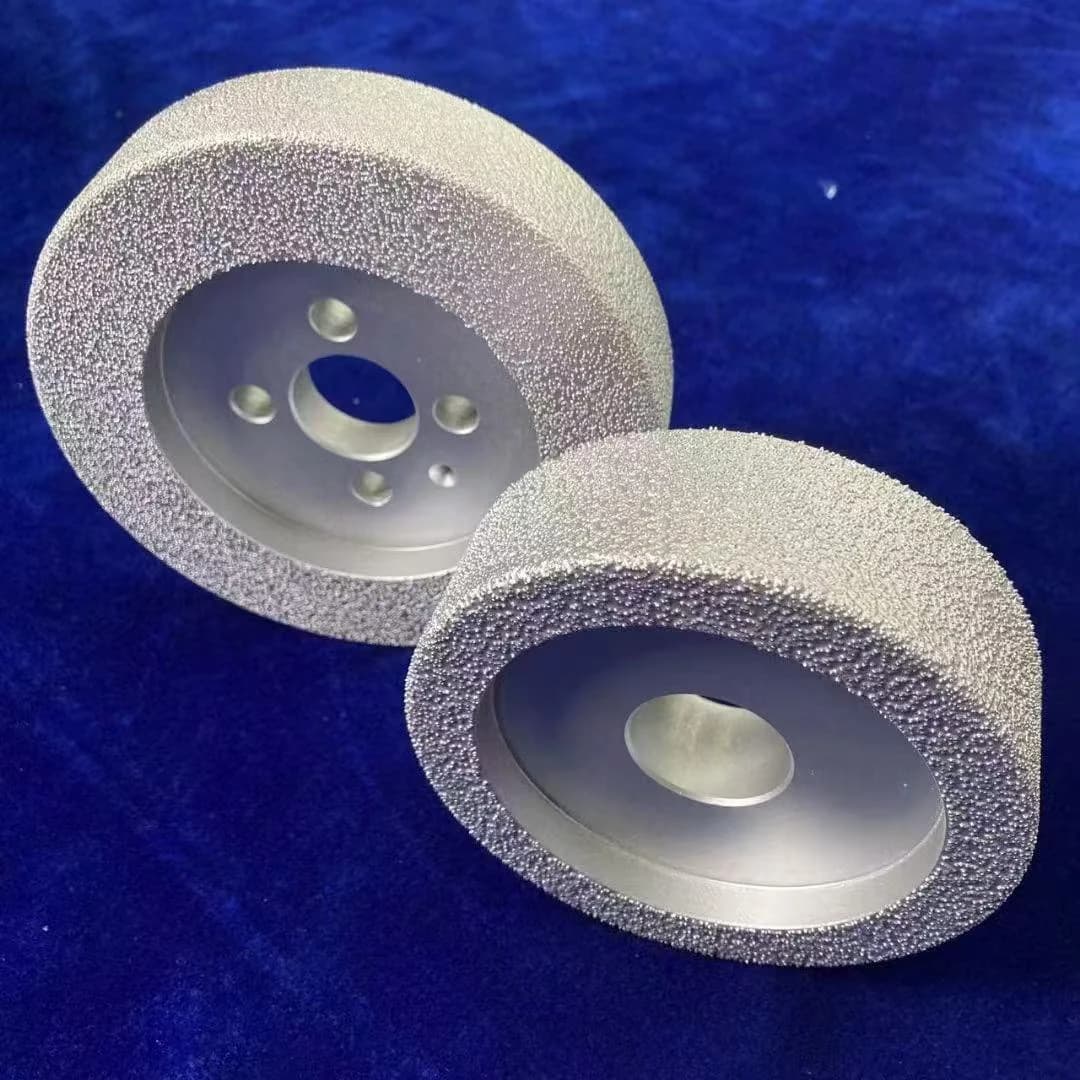
Customizable
View Details →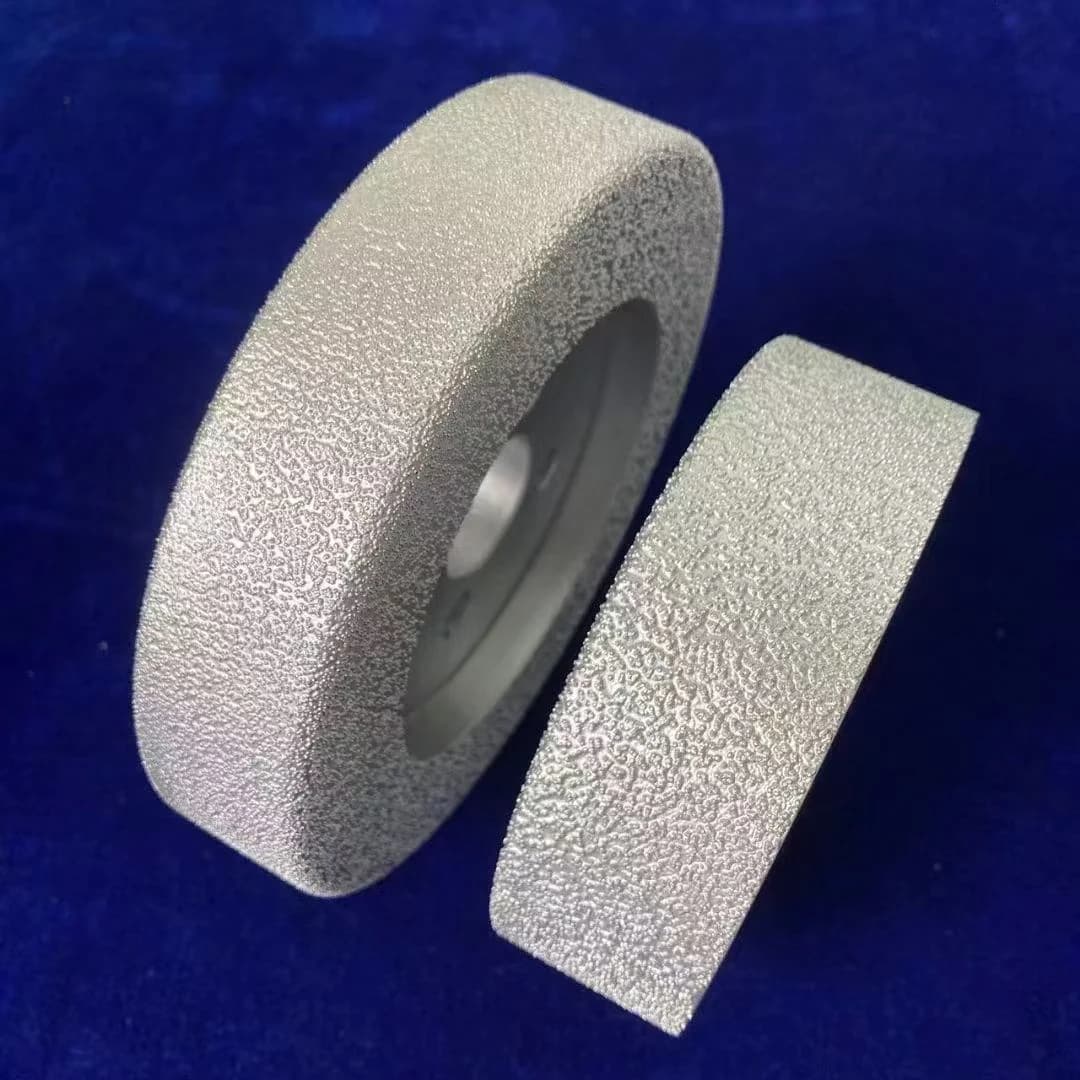
Customizable
View Details →Overview
In a brazed diamond tool the diamond grain is fixed to a steel body by a brazed metal coating, so a single layer of abrasive sits proud of the surface. That structure gives the tool a high, open grain protrusion: there is more space for chips and coolant around each grain, and the tool cuts with less rubbing than a bonded wheel of the same diamond size.
Because the form is produced as the coating is applied, shapes that would be difficult or impossible to press and dress into a bonded wheel — narrow profiles, sharp shoulders, cup and cone forms, thin sections — can be made as brazed tools. The trade-off is that the abrasive layer is a single layer: once it is worn through, the tool is at the end of its working life, so the specification is chosen around the material and the operation rather than for the longest possible life.
Applications
Brazed Diamond Grinding Wheels are selected for these industrial grinding applications.
Cemented carbide and tungsten carbide are ground with diamond abrasive, and brazed tools suit the operations where the form is established by the tool rather than by a dressed bonded wheel.
Hard, brittle ceramic workpieces where diamond is the abrasive that cuts the material rather than rubbing it, and where an open cutting face helps clear the fine, abrasive swarf.
Edge work, shaping and surface work on glass, stone and similar hard brittle materials, using wheel, disc and profile forms selected for the geometry involved.
Composite materials that are abrasive to the tool and hard to cut cleanly, where diamond grain and an open face reduce the heat and pull-out that damage the workpiece.
Where the required shape is built into the tool — radii, shoulders, narrow ribs and stepped forms — and has to be reproduced consistently across parts.
Brazed tools can be run hard on materials that suit diamond, because the exposed grain cuts freely. Whether that is the right direction depends on the material, the stock to be removed and what the machine can support.
Workpiece Materials
Below are the most common workpiece materials matched with these grinding wheel applications.
The most common application for diamond abrasive. Brazed forms are used where the operation needs a specific profile or an open cutting face.
Technical and industrial ceramics, which are hard and brittle and are ground with diamond rather than conventional abrasive.
Glass shaping and edge work, where the tool geometry and the diamond grain both affect the result.
Stone and similar hard mineral materials, where diamond abrasives are the established choice.
Materials that are abrasive to the tool and unsuitable for ferrous abrasives, where diamond grain is the appropriate direction.
Diamond reacts with iron at grinding temperature, so diamond tools are not used for ordinary carbon steel grinding. CBN is the superabrasive for hardened ferrous materials, and conventional abrasive for soft steels. This boundary is confirmed against the workpiece material before a tool is proposed.
Advantages
Brazed diamond tool selection depends on the workpiece material, its hardness, the stock to be removed, the finish required, the machine, the operating speed, the coolant, the contact area and the tool geometry. Because those conditions differ between plants — and often between two machines in the same plant — Youlin Abrasive works from the actual grinding conditions rather than from a fixed catalogue of standard tools.
Diamond suits hard brittle non-ferrous materials — carbide, ceramics, glass, stone and composites. It is not used on ordinary carbon steel, where CBN or conventional abrasive is the correct direction. Material is the first question, not the last.
A brazed tool can carry a form that a bonded wheel could not easily hold. That makes the required geometry — not just the abrasive — part of the specification.
The tool diameter, the speed it will run at and what the spindle can carry all limit what can be made. Thin sections and large diameters are both constrained by the machine, in different ways.
Brazed tools cut with an open face, but the contact area and how the coolant reaches it still determine how much heat the diamond and the workpiece see.
A tool set up for aggressive removal and one set up for a controlled finish are specified differently. Both are made as brazed tools, so the requirement is stated before the specification is fixed.
Because the abrasive is a single brazed layer, the tool works until that layer is spent. The specification is therefore chosen around the material and the operation rather than for maximum life at any cost.
Customization
Each of the following is made to order and selected according to the application and the grinding conditions, rather than supplied as a fixed standard.
Wheel diameter — selected according to the machine, the spindle and the working speed the operation runs at.
Wheel width and thickness — set by the contact area, the form required and the stock to be removed.
Bore and mounting — matched to the spindle, arbor or flange the tool runs on, and to the mounting method you use.
Wheel profile — cup, cone, flat disc, ring, segment and stepped forms are produced to the required geometry.
Abrasive specification and grit size — selected according to the workpiece material and the surface or edge quality required.
Bond system — the brazed coating and the body material are reviewed together with the operation, since the coating holds the grain.
Concentration and diamond layer where applicable — reviewed with the application rather than fixed in advance.
Application-specific geometry — narrow ribs, sharp shoulders, thin sections and special forms can be produced to a drawing.
Before You Inquire
Because the form is built into a brazed tool, the geometry and the material both have to be clear before a tool can be proposed.
Send these details through the inquiry form, or contact us on WhatsApp. A drawing of the required profile is the single most useful item for this type of tool.
Send Grinding Details →Industries
Brazed Diamond Grinding Wheels are used across these manufacturing sectors. We provide grinding wheel solutions for industrial grinding applications. We do not supply the customer workpieces themselves, such as bearings, hydraulic components, molds, or mechanical parts.
FAQ
Quick answers to common buyer questions before sending an inquiry.
They are used on hard, brittle non-ferrous materials — cemented carbide and tungsten carbide, ceramics, glass, stone, and composites where diamond is the appropriate abrasive. They are not used for ordinary carbon steel grinding: diamond reacts with iron at grinding temperature, so hardened ferrous materials are ground with CBN instead, and soft steels with conventional abrasive.
A bonded diamond wheel carries the diamond throughout a bond layer, and the bond wears back to expose fresh grain, so the wheel can be dressed and used down over its depth. A brazed tool carries a single layer of diamond fixed by a brazed metal coating. That gives a higher, more open grain protrusion and a freer cut, and it allows forms that are difficult to press and dress into a bonded wheel. The trade-off is that the abrasive layer is a single layer.
Yes. Cup, cone, flat disc, ring, segment and stepped forms are produced to the required geometry. For anything where the shape is critical, send a drawing with the dimensions and tolerances, because the profile is built into the tool rather than dressed into it afterwards.
No. Youlin Abrasive is a grinding wheel and abrasive tool manufacturer. We supply the brazed diamond tools used to grind and form carbide, ceramic, glass, stone and composite workpieces. We do not manufacture or supply the workpieces, the machine tooling, or the parts being ground.
Workpiece material and grade, the operation being performed, tool dimensions, the required profile with a drawing where the shape matters, machine model and spindle speed, how the tool is mounted, coolant type and delivery, and the finish or tolerance target. A photo or sample of the tool in use now helps us match the form.
Explore More
Continue browsing related products, applications, and technical information.