Grinding Wheel Products

Vitrified CBN Internal Grinding Wheels

Vitrified CBN internal grinding wheels are used for bore and internal cylindrical grinding of hardened ferrous workpieces. The vitrified bond holds CBN grain in a porous, dressable structure, so the wheel can be trued and dressed to the form the bore requires — and in internal grinding that form carries straight into the workpiece.

For hardened steel bores and internal cylindrical grinding
Vitrified bond — dressable, and able to hold form through the bore
CBN grain for hardened ferrous workpieces where conventional abrasive dulls quickly
Small-diameter, narrow-width heads and sleeves for internal work
Diameter, width, bore and working profile made to your drawing

Product Gallery

Product Photos

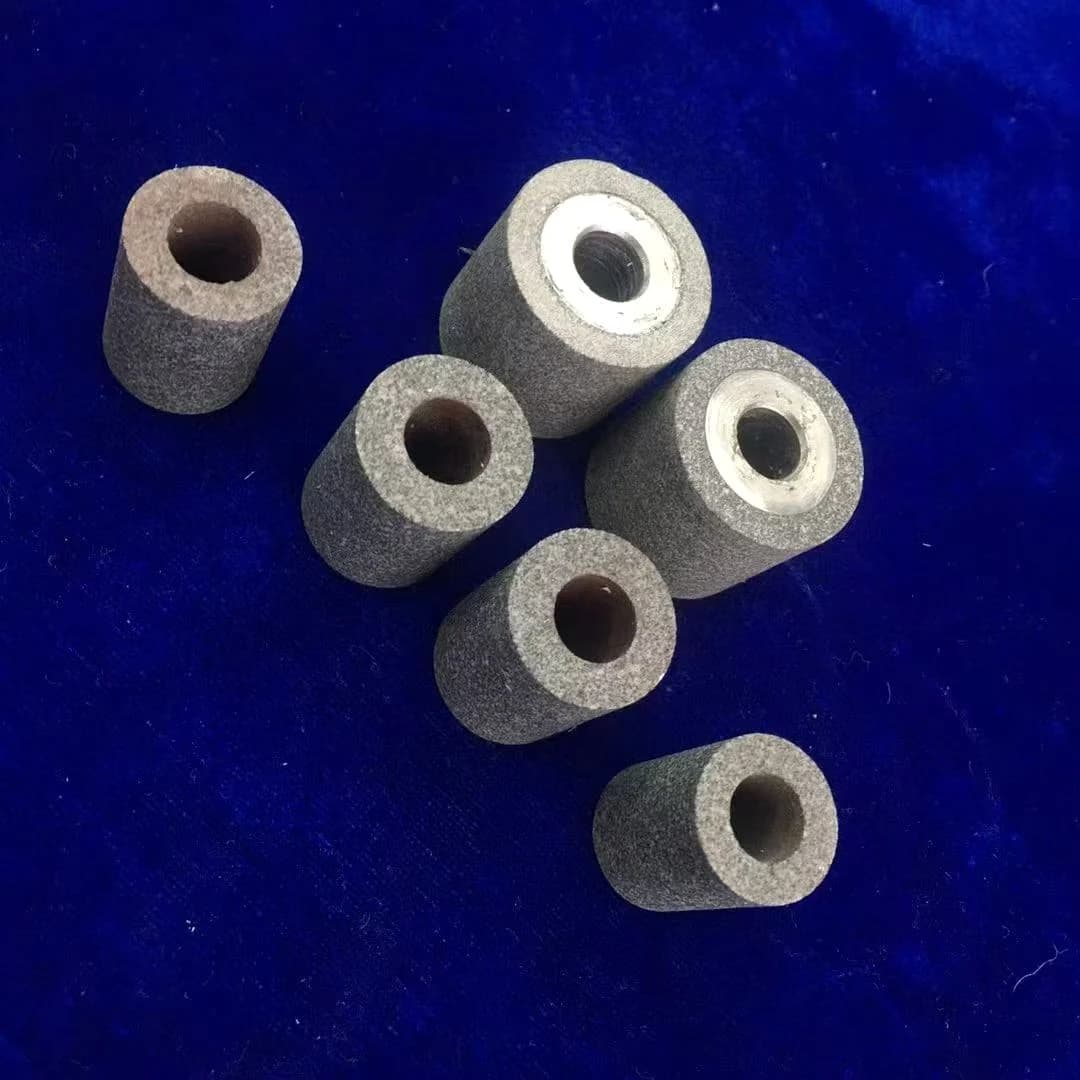
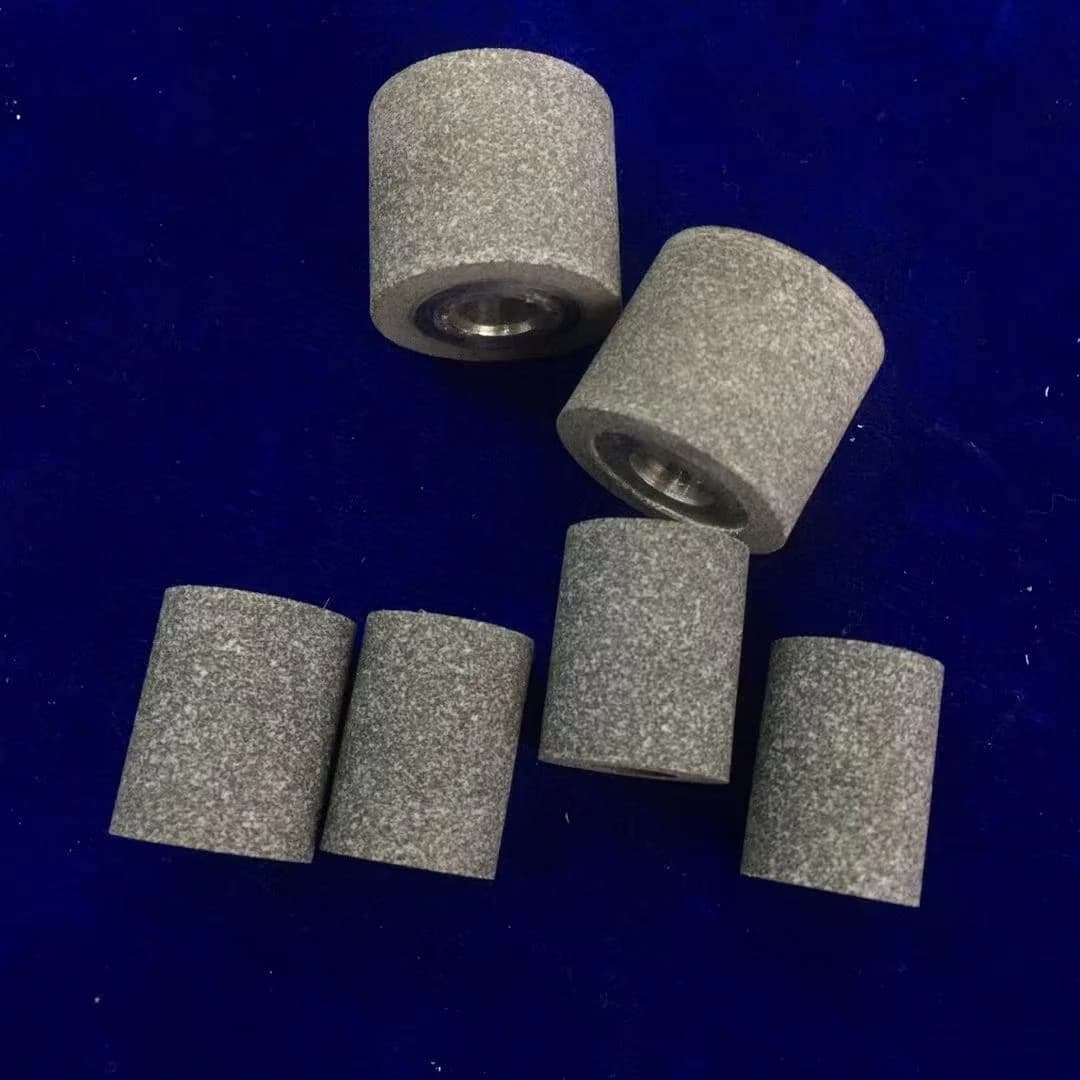
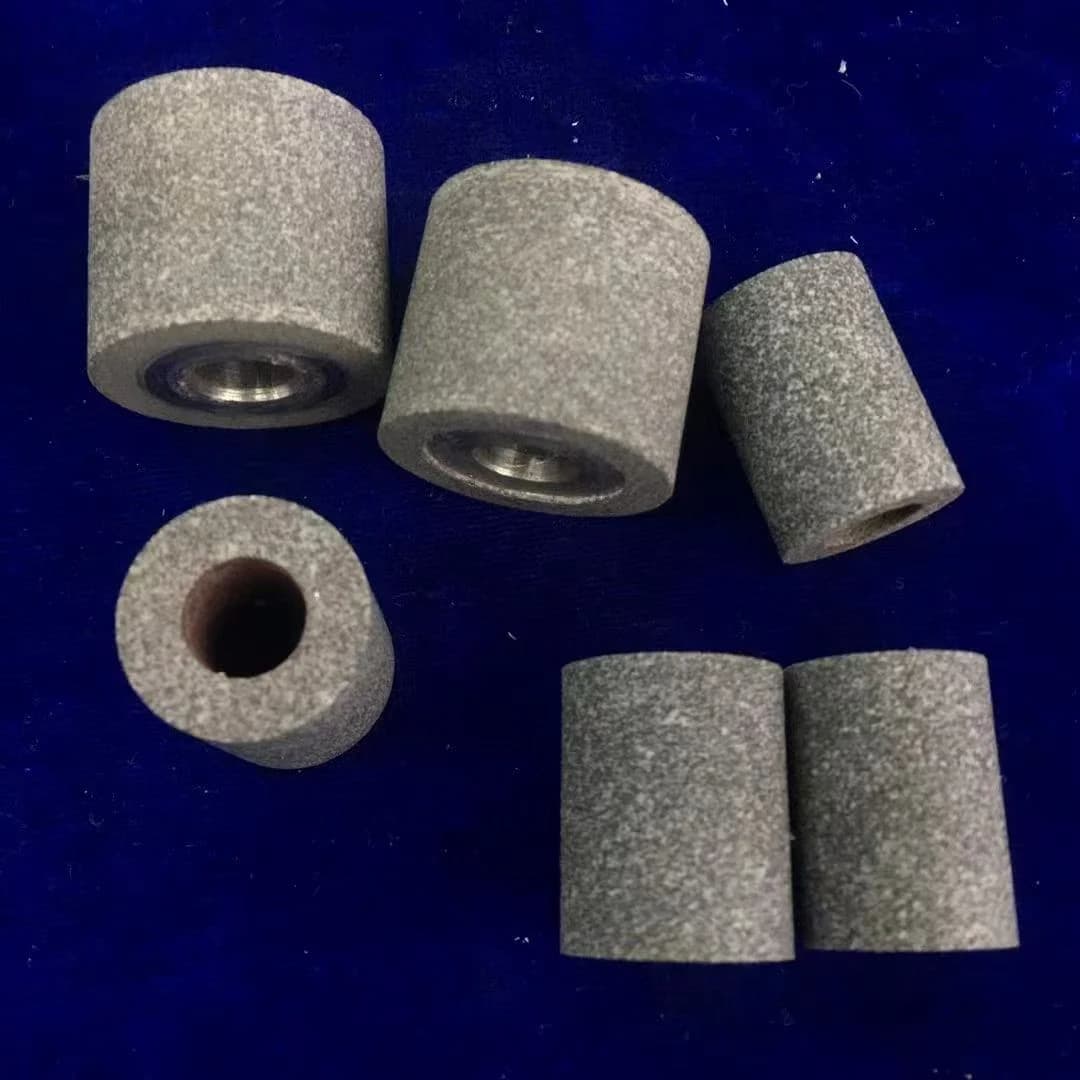
Internal grinding heads and sleeves

Heads, sleeves and ring-shaped bodies made for internal spindles. Diameter, width, bore and working profile are made to the application.

Overview

About Vitrified CBN Internal Grinding Wheels

Internal grinding removes material from the inside of a bore, so the wheel is small relative to the workpiece and the arc of contact is long. That combination concentrates heat and pressure into a narrow band, and it means any loss of form on the wheel appears directly in the bore. A vitrified CBN wheel addresses both sides of that: the CBN grain resists wear when grinding hardened ferrous material, and the vitrified bond can be dressed back to the required profile as the wheel is used.

These wheels are made as heads, sleeves and ring-shaped bodies in the diameters and widths an internal spindle can carry. The specification is not selected from workpiece hardness alone — the operation, the machine and spindle, the coolant reaching the grinding zone, the dressing method and the form the wheel has to hold are reviewed together before a wheel is proposed.

Applications

Common grinding applications

Vitrified CBN Internal Grinding Wheels are selected for these industrial grinding applications.

Hardened Steel Bore Grinding

Bores in hardened and quenched steel parts are the main use for vitrified CBN internal wheels. The CBN grain keeps cutting after conventional abrasive would have dulled and started to rub, which matters more inside a bore where heat is harder to clear.

Internal Cylindrical Grinding

Internal cylindrical grinding where the wheel traverses the bore and the finished diameter depends on the wheel holding its size across the pass, rather than on a finishing operation afterwards.

Bearing-Related Internal Grinding

Bore and ring internal grinding in bearing production is a long-established use of CBN internal wheels. Bearing manufacturing is an application area where these wheels are used — Youlin Abrasive supplies grinding wheels, not bearings or bearing components.

Precision Bore and Sleeve Grinding

Bores in sleeves, bushings, collars and similar parts where roundness, taper and dimensional tolerance matter as much as the surface finish reading.

Long-Run Bore Grinding Where Form Must Hold

Where a bore is ground in volume, the value of a dressed CBN wheel is that the working form holds for longer between dressings, so the bore stays consistent across the run instead of drifting as the wheel wears.

Workpiece Materials

Suitable workpiece materials

Below are the most common workpiece materials matched with these grinding wheel applications.

Hardened Alloy Steel

Quenched and tempered alloy steels are the core internal grinding application for CBN. The exact grade and hardness are confirmed from the part drawing rather than assumed from the material name.

Bearing Steel (GCr15, 100Cr6, SUJ2)

Bearing steels used for rings, sleeves and similar components are commonly ground internally with CBN. Youlin supplies the grinding wheels for these workpieces; the bearing components themselves are made by our customers.

Case-Hardened and Carburized Steel

Parts with a hard surface layer over a softer core are ground internally where the hard layer would wear conventional abrasive quickly.

High-Speed Steel

Hardened high-speed steel components with internal bores, where CBN resists the wear that dulls conventional grain on this material.

Hardened Tool and Die Steel

Hardened tooling with internal forms, where the wheel has to hold a dressed profile rather than only remove material.

Advantages

Why Custom Grinding Wheels

Internal grinding wheel selection depends on the workpiece material, its hardness, the stock to be removed, the finish required, the machine, the operating speed, the coolant, the contact area and the wheel geometry. Because those conditions differ between plants — and often between two machines in the same plant — Youlin Abrasive works from the actual grinding conditions rather than from a fixed catalogue of standard wheels.

Workpiece Material and Hardness

The abrasive family follows the workpiece. CBN suits hardened ferrous materials; carbide, ceramics and glass need diamond instead. Hardness tells you which class the workpiece falls into, but it does not select the wheel on its own.

Stock Removal and Finish Requirement

A wheel set up to remove material quickly and a wheel set up to hold a fine finish are not the same wheel. Both ends of that range get ground on internal spindles, so the requirement has to be stated before the specification is fixed.

Machine, Spindle and Operating Speed

Internal spindles are small, often run at high speed and usually have limited power. The wheel diameter, the speed it will actually run at, and what the spindle can carry set hard limits on the wheel.

Coolant and Contact Area

Inside a bore the arc of contact is long and the coolant has to reach a confined zone. How the coolant is delivered, and where it lands, changes how much heat the wheel and the workpiece actually see.

Wheel Geometry and Working Profile

Diameter, width and dressed form determine the contact the wheel makes with the bore. A profile that suits one bore geometry will not suit another, even on the same machine.

Dressing Method and Form Retention

How the wheel is trued and dressed, and how often, decides whether the form holds through the run. That is part of the wheel decision, not a separate maintenance question.

Customization

What We Can Customize

Each of the following is made to order and selected according to the application and the grinding conditions, rather than supplied as a fixed standard.

1

Wheel diameter — selected according to the bore diameter, the internal spindle and the grinding method used.

2

Wheel width and thickness — set by the bore length, the contact area the operation can support and the stock to be removed.

3

Bore and mounting — matched to the spindle, quill or arbor the wheel runs on, and to the mounting method you use.

4

Wheel profile — the working form is dressed or formed to suit the bore geometry, including radii and relief.

5

Abrasive specification and grit size — selected according to the workpiece material, its hardness and the surface finish requirement.

6

Bond system and concentration — vitrified, resin or metal bond and the CBN concentration are reviewed together with the operation rather than fixed in advance.

7

Application-specific geometry — special forms, narrow widths and stepped or radiused profiles can be produced to a drawing.

Before You Inquire

Information needed to recommend an internal grinding wheel

Internal grinding is sensitive to bore geometry and to spindle limits, so a few additional details help us review the application properly.

Workpiece material and hardness (for example hardened steel at a stated HRC)
Bore diameter, bore length and the internal grinding method used
Wheel dimensions — outer diameter, bore and width
Machine model, spindle or quill speed, and drive power
Coolant type and how it is delivered to the grinding zone
Dressing method, and the form the wheel has to hold
Target surface finish, roundness or dimensional tolerance
Current wheel specification and the problem you are seeing, if any
Drawing, photo or sample of the bore or the current wheel
Trial quantity or regular production demand

Send these details through the inquiry form, or contact us on WhatsApp. A drawing, or a photo of the wheel you use now, usually shortens the review.

Send Grinding Details →

Industries

Industries served

Vitrified CBN Internal Grinding Wheels are used across these manufacturing sectors. We provide grinding wheel solutions for industrial grinding applications. We do not supply the customer workpieces themselves, such as bearings, hydraulic components, molds, or mechanical parts.

Bearing manufacturing — internal grinding of rings and bores
Hydraulic components — bore grinding of cylinders, sleeves and valve bodies
Automotive components — internal grinding of transmission and engine parts
Tool and die — internal grinding of hardened tooling and die components
Precision engineering — bore grinding of hardened sleeves and bushings
General machining — internal grinding where conventional abrasive wear is the limiting factor

FAQ

Common questions about vitrified cbn internal grinding wheels

Quick answers to common buyer questions before sending an inquiry.

What is a vitrified CBN internal grinding wheel used for?

It is used for grinding the inside of a bore — internal cylindrical grinding — mainly on hardened ferrous workpieces such as hardened alloy steel, bearing steel, case-hardened steel and hardened tool steel. The wheel runs on an internal spindle, so it is small in diameter relative to the workpiece, and the dressed form of the wheel is what the bore takes its shape from.

Can you make the wheel to our bore size and working profile?

Yes. Diameter, width, bore, mounting and working profile are made to order. Send the bore drawing, the dimensions the wheel has to finish to, and the machine it runs on, and we will review the specification against those conditions before proposing a wheel.

Why vitrified bond rather than resin or metal bond for internal grinding?

Vitrified bond can be dressed and re-trued to a working form, which internal grinding depends on because the wheel form transfers directly to the bore. Resin bond is often chosen where a softer cutting action and a finer finish matter more, and metal bond where maximum form retention and wheel life are the priority. Which one suits a given bore depends on the material, the machine, the coolant and the tolerance required, so it is reviewed per application.

Do you manufacture bearings?

No. Youlin Abrasive is a grinding wheel manufacturer. Bearing manufacturing is an application area where our wheels are used for bore and ring internal grinding, but we do not manufacture or supply bearings, bearing components or bearing steel. We supply the grinding wheels used to grind those workpieces.

What information do you need to quote an internal grinding wheel?

Workpiece material and hardness, bore diameter and length, the internal grinding method, wheel dimensions, machine model and spindle speed, coolant type and delivery, the dressing method, the form the wheel must hold, and the finish or tolerance target. A drawing or a photo of the wheel in use now helps us respond faster.